Creating a Sustainable Picnic: Eco-Friendly Practices
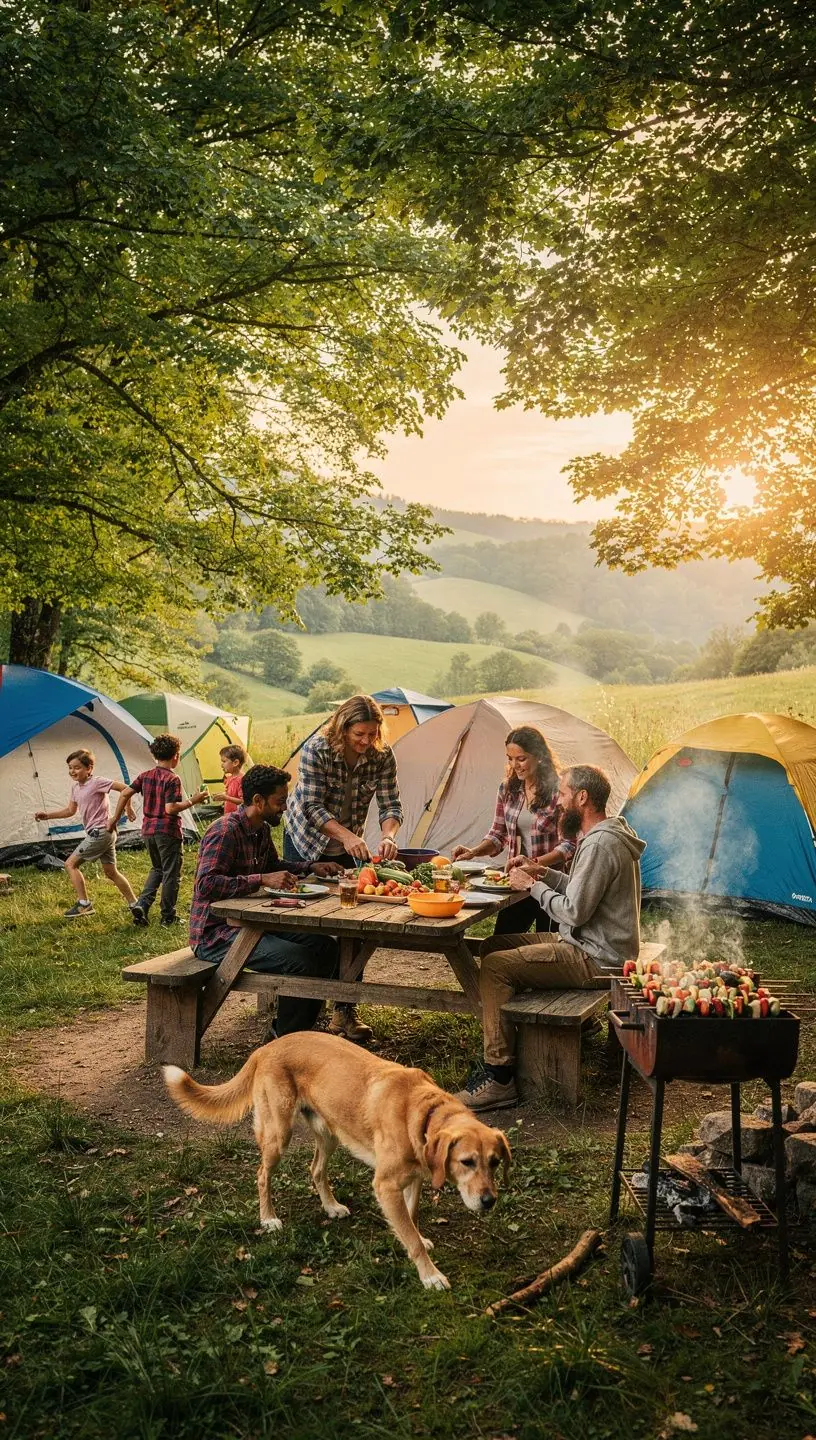
Planning a picnic is a delightful way to enjoy nature, but it often comes with environmental impacts. By adopting eco-friendly practices, you can minimize your footprint while savoring your time outdoors. This article explores practical steps for creating a sustainable picnic experience.
Understanding the Basics of Sustainable Picnicking
To create a sustainable picnic, it's essential to understand the impact of your choices. According to environmental studies, outdoor activities often contribute to waste and pollution, particularly due to single-use plastics and food waste. Experts suggest that adopting eco-friendly habits can significantly reduce these impacts.

"Sustainable practices not only protect the environment but also enhance the overall picnic experience by promoting mindfulness and appreciation of nature." – Environmental Expert
Practical Steps for an Eco-Friendly Picnic
- Choose Reusable Containers: Instead of single-use plastic bags or disposable plates, opt for reusable containers and utensils. Many users report a decrease in waste when making this simple switch, as it reduces the amount of trash generated during outings.
- Plan Your Menu Wisely: Preparing a picnic with local and seasonal ingredients is an effective way to support sustainable practices. Research indicates that food sourced locally often has a smaller carbon footprint. Aim for vegetarian or plant-based options, which require fewer resources to produce.
- Leave No Trace: Familiarize yourself with the Leave No Trace principles. This involves cleaning up all litter and respecting wildlife. Studies show that areas with high visitor traffic can suffer from degradation, making responsible behavior crucial for preserving these spaces.
Eco-Friendly Equipment and Gear
Utilizing eco-friendly equipment can greatly enhance your picnic experience. Many outdoor retailers now offer sustainable options, from biodegradable utensils to picnic blankets made from recycled materials. According to industry standards, investing in quality gear not only reduces waste but can also save money in the long run.
Setting Realistic Expectations
It’s important to acknowledge that transitioning to a fully sustainable picnic may take time and dedication. Many users find that starting with small changes – such as carrying reusable bags or using cloth napkins – can lead to more significant habits over time. Remember, adopting sustainable practices is a journey that typically involves learning and adjusting.
Conclusion
Creating a sustainable picnic is a rewarding way to enjoy nature while protecting the environment. By making conscious choices regarding food, equipment, and waste management, you can significantly reduce your ecological footprint. With time and practice, these eco-friendly habits can enhance not just your picnicking experience, but also your connection to the natural world.
Learn More